General News
19 January, 2026
Between two homes and a firestorm
WHEN the fire came to Carranballac, Isobel Fay did not run. She stayed. The wind was already howling across the paddocks when flames began to push toward her parents’ property, carried on a day of searing heat and conditions so dangerous that even seasoned firefighters later described them as near unstoppable.
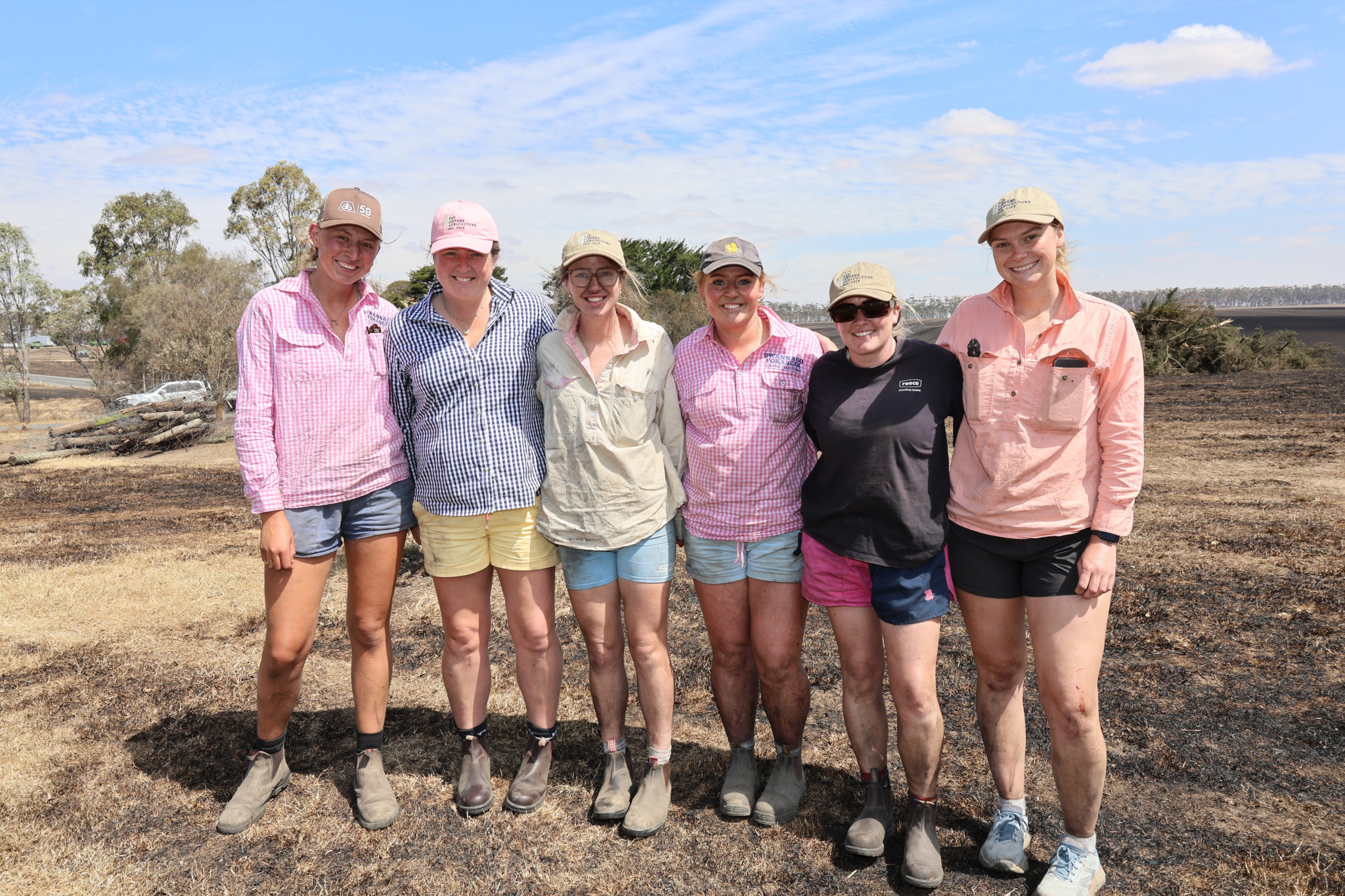
Isobel had lived in her own home nearby for six years, but that afternoon her focus narrowed to one thing: protecting her parents’ place.
“I thought, well, Dad’s staying, my brother-in-law’s staying, so I’ll stay,” she said, “There wasn’t really time to think much more than that.”
Her mother left early, around 1.30pm, as warnings escalated. Neighbours with young children also evacuated, as they should have but for Isobel, leaving felt impossible. She knew the country too well, knew how fast fire could move, and knew that once it arrived there would be no second chance.
What followed was chaos measured in minutes.
The fire ran with terrifying speed, driven by fierce winds and heavy roadside vegetation that acted like a fuse. Isobel said she saw little of the CFA in those first critical moments, not through any fault of their own, but because the fire simply outran everything.
“We didn’t see a tanker on the road until it had pretty much gone through,” she said, “It was just how fast it was, I think they went to the fire and then got stuck behind it."
Instead, it was neighbours and friends who arrived first, many of them with private firefighting units mounted on utes and farm vehicles. Isobel says there were likely more private units than CFA tankers fighting the fire, the entire community doing what it could to minimise the impact of the frightening blaze.
Against the odds, her parents’ home survived.
Isobel’s did not.
Sometime during the fire’s run, her house burned to the ground, taking with it six years of life, memories and belongings. She speaks about it without bitterness, and with a perspective forged by what she knows could have happened.
“I’ve lost my things,” she said, “But I’m very surprised and relieved that no one died.
“With the conditions, it could have been so much worse.”
For Luke Fay, watching his daughter fight fire on a day like that brought old memories crashing back.
He was 16 when the 1977 fires tore through the district, and he said events like this collapse time in a way nothing else can.
“It brings it all back,” he said, “This will live in their memory for the rest of their lives, just like ’77 lives in mine.”
The scale of the damage on the family’s land is staggering. Luke estimates around 3,500 acres burned. Of the family’s sheep, many perished in the fire itself. Hundreds more had to be euthanised in the days that followed.
Friends and neighbours arrived almost immediately to help with the grim work. Vets from Camperdown drove in to assess surviving stock, and treating the animals that needed tending to.
“They were unbelievable,” Luke said, “People were here straight away and we’ve still got people helping now.”
Isobel described scenes that will stay with her for a lifetime: lambs trapped in fences, mobs lost where they stood, and the quiet efficiency with which neighbours stepped in to do what needed to be done.
“We didn’t ask them,” she said, “They just came.”
Amid the destruction, Isobel believes preparation made the difference between total loss and survival. Grass had been kept low around her parents’ home. Vegetation was managed carefully. Firebreaks, though overwhelmed, slowed the fire just enough.
Now comes the long aftermath. Fences must be rebuilt. Stock numbers restored. Crops need to be sown again in months’ time, because stopping is not an option.
“We’ll struggle with this for years,” Isobel said, “But we also have to keep going. In two months, we still have to sow, that’s how the business survives.”
For Luke, pride sits alongside grief.
“When you see the way people respond, it does make you proud,” he said.
Isobel agrees. She speaks enthusiastically about community, about how fire strips life back to essentials and reveals what really matters.
“Community is everything,” she said, “It’s not just locals, It’s friends, family, people from hours away. That’s what gets you through.”
Her home is gone. Her parents’ still stands. The land is blackened, quiet for now.
But the fire did not take everything.